
Publications

( 0 )

Under the spotlight

Impact Factor
Impact Factor
The symbol denotes articles published in journals with an impact factor of 10 or higher.
Sorted Publications based on first author affiliation country
Sorted publications based on keyword
Moore, C;Wong, E;Kaur, U;Chio, US;Zhou, Z;Ostrowski, M;Wu, K;Irkliyenko, I;Wang, S;Ramani, V;Narlikar, GJ;
Science (New York, N.Y.),
390,
(6768),
eadr0018,
(2025)
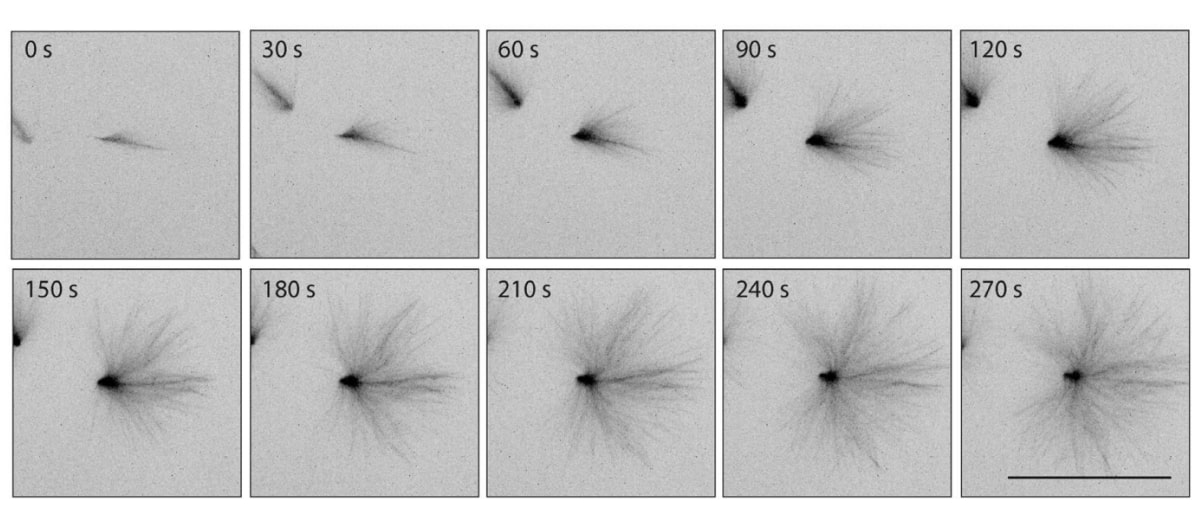
Adenosine triphosphate (ATP)-dependent chromatin remodeling enzymes mobilize nucleosomes, but how such mobilization affects chromatin condensation is unclear. We investigate effects of two major remodelers, ACF and RSC, using chromatin condensates and single-molecule footprinting. We find that both remodelers inhibit the formation of condensed chromatin. However, the remodelers have distinct effects on preformed chromatin condensates. ACF spaces nucleosomes without decondensing the chromatin, explaining how ACF maintains nucleosome organization in transcriptionally repressed genomic regions. By contrast, RSC catalyzes ATP-dependent decondensation of chromatin. RSC also drives micron-scale movements of entire chromatin condensates. These additional activities of RSC may contribute to its central role in transcription. The biological importance of remodelers may thus reflect both their effects on nucleosome mobilization and the corresponding consequences on chromatin dynamics at the mesoscale.
Kumar, A;McNally, KE;Zhang, Y;Haslett-Saunders, A;Wang, X;Guillem-Marti, J;Lee, D;Huang, B;Stallinga, S;Kay, RR;Baker, D;Derivery, E;Manton, JD;
Nature photonics,
19,
(10),
1146-1156,
(2025)
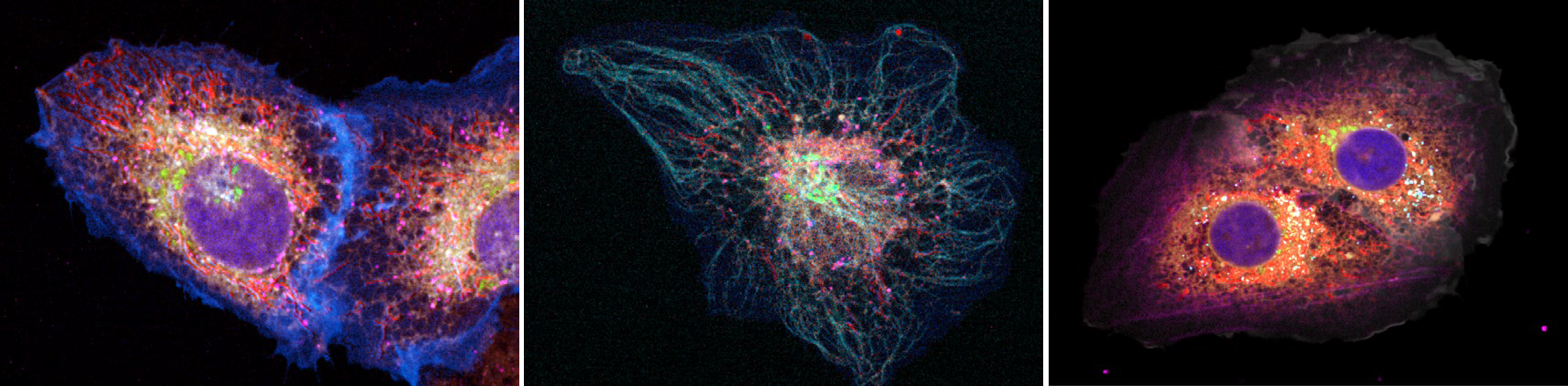
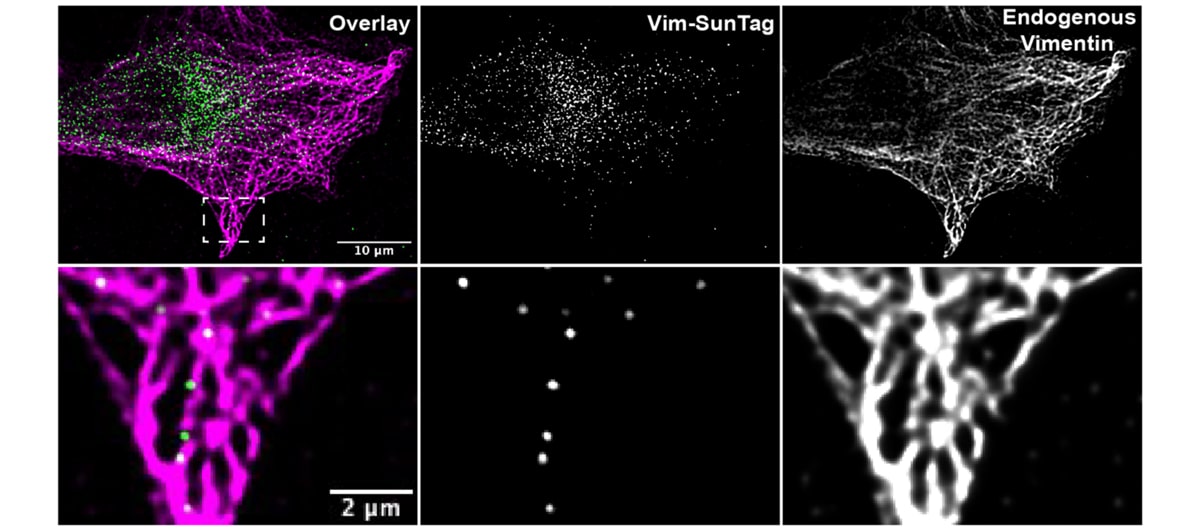
Multispectral imaging is an established method to extend the number of colours usable in fluorescence imaging beyond the typical limit of three or four. However, standard approaches are poorly suited to live-cell imaging owing to the need to separate light into many spectral channels, and unmixing algorithms struggle with low signal-to-noise ratio data. Here we introduce an approach for multispectral imaging in live cells that comprises an iterative spectral unmixing algorithm and eight-channel camera-based image-acquisition hardware. This enables the accurate unmixing of low signal-to-noise ratio datasets captured at video rates, while maintaining diffraction-limited spatial resolution. We use this approach on a commercial spinning-disk confocal microscope and a home-built oblique-plane light-sheet microscope to image one to seven spectrally distinct fluorophore species simultaneously, using both fluorescent protein fusions and small-molecule dyes. We further develop protein-binding proteins (minibinders), labelled with organic fluorophores, and use these in combination with our multispectral imaging approach to study the endosomal trafficking of cell-surface receptors at endogenous levels.
Ha, HT;Kosmynina, S;Verocq, A;Ozen, K;Tekia, I;Bussy, H;Ramirez, M;Sabbah, D;Goemans, C;Vandenbempt, V;Gurzov, EN;Singh, SP;Baeyens, N;
Advanced science (Weinheim, Baden-Wurttemberg, Germany),
e10096,
(2025)
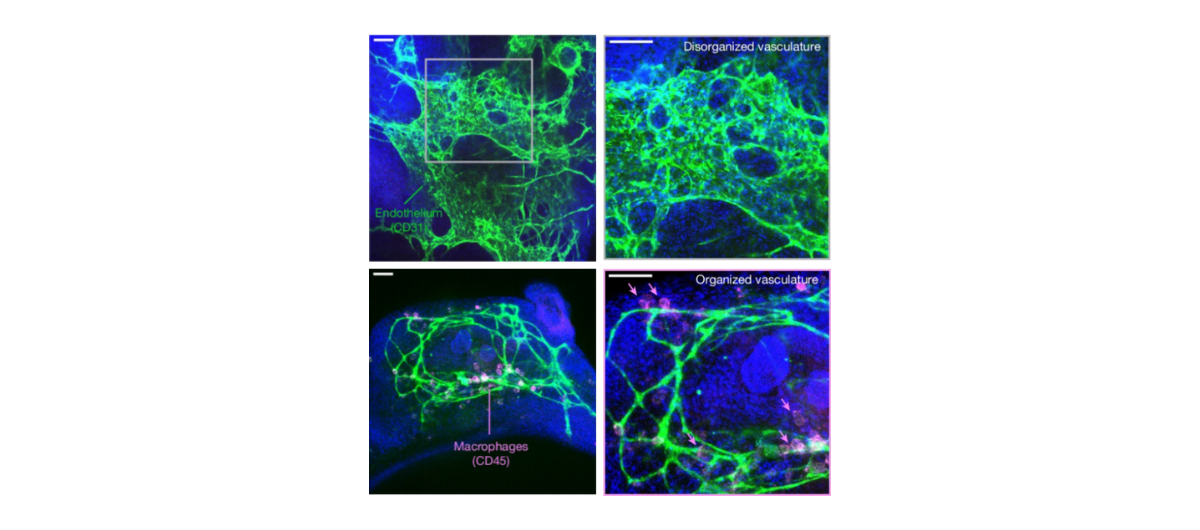
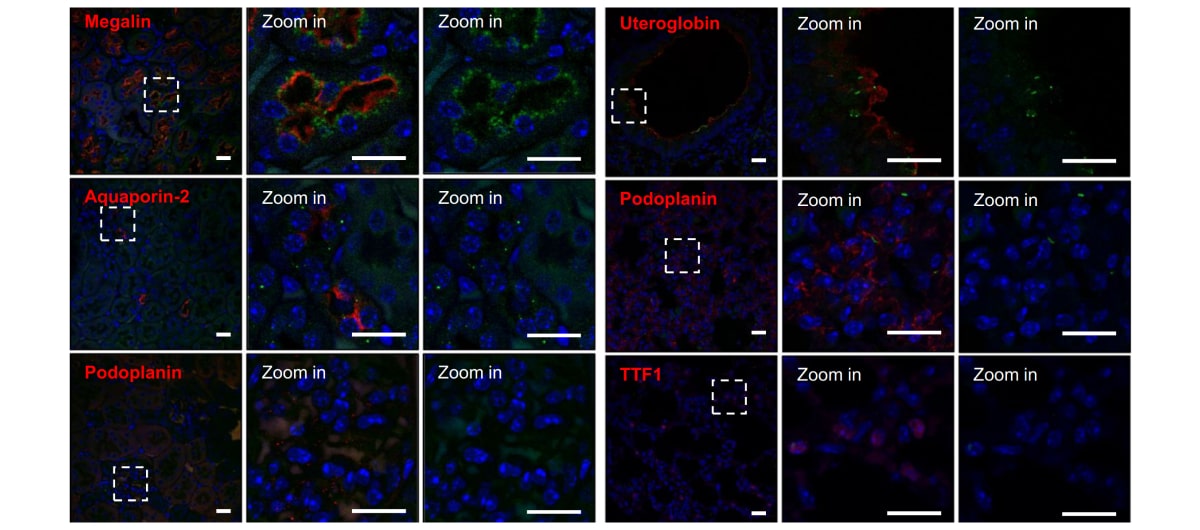
Dental pulp responses to dental decay, the most prevalent chronic disease worldwide, involve remodeling processes comparable to those observed in other human diseases. By combining volumetric imaging and single-cell analysis at various stages of the disease in human samples, the natural history of how dental pulp responds to decay is uncovered. During the early phases, an arterialization of capillary networks and a progressive outward remodeling of larger vessels are observed. Additionally, neurogenesis of nerve endings and the reprogramming of perivascular progenitor cells into fibroblasts, initiating the physiological reparative response of the stromal tissue, is identified. Vascular and nerve regression, along with a shift in immune response and dental pulp fibrosis, contribute to irreversible pulpitis. These findings establish a foundation for a more comprehensive understanding of how dental tissues respond to injury, thereby prompting a paradigm shift in patient management strategies. Furthermore, this study underscores the potential of the human tooth as a valuable model for investigating other systemic diseases and evaluating treatment responses.
Rosti, V;Lembo, G;Petrini, C;Gorini, F;Quadri, R;Cordiglieri, C;Mutarelli, M;Salviato, E;Casari, E;Di Patrizio Soldateschi, E;Montanari, E;Albo, G;Ripa, F;Fasciani, A;Crosti, M;De Lorenzis, E;Maggioni, M;Vaira, V;Vivo, M;Ferrari, F;Lanzuolo, C;
Nature communications,
16,
(1),
9174,
(2025)
Primary prostate cancer presents with multifocal lesions and unpredictable clinical behavior, posing significant challenges for effective prognosis. To address this, we investigate the epigenomic landscape of prostate tumor biopsies from 25 treatment-naïve male patients by analyzing chromatin compartmentalization patterns. Our analysis reveals two distinct molecular subtypes: one with a Low Degree of Decompartmentalization (LDD) and another with a High Degree of Decompartmentalization (HDD). Here we show that the HDD subgroup exhibits extensive chromatin reorganization associated with diminished oncogenic potential. This subtype shows repression of molecular pathways involved in extracellular matrix remodeling and cellular plasticity. From this distinction, we derive an 18-gene transcriptional signature capable of differentiating HDD from LDD cases. Importantly, we validate the prognostic relevance of this signature in multiple independent cohorts totaling over 900 patients. Our findings suggest that epigenetic-derived signature at the time of diagnostic biopsy can offer a powerful tool for risk stratification in prostate cancer.
Eli, S;Rauso, G;Ghezzi, P;Szczerkowski, JLA;Bruzzi, M;Rizzelli, F;Iommazzo, F;Loffreda, A;Castagna, F;Donà, F;Gaddoni, C;Dondi, A;Marenda, M;Rodighiero, S;Tournier, P;Lavagnino, Z;Parazzoli, D;Gauthier, NC;Tamburri, S;Pasini, D;Habib, SJ;Mapelli, M;
Nature communications,
16,
(1),
10690,
(2025)
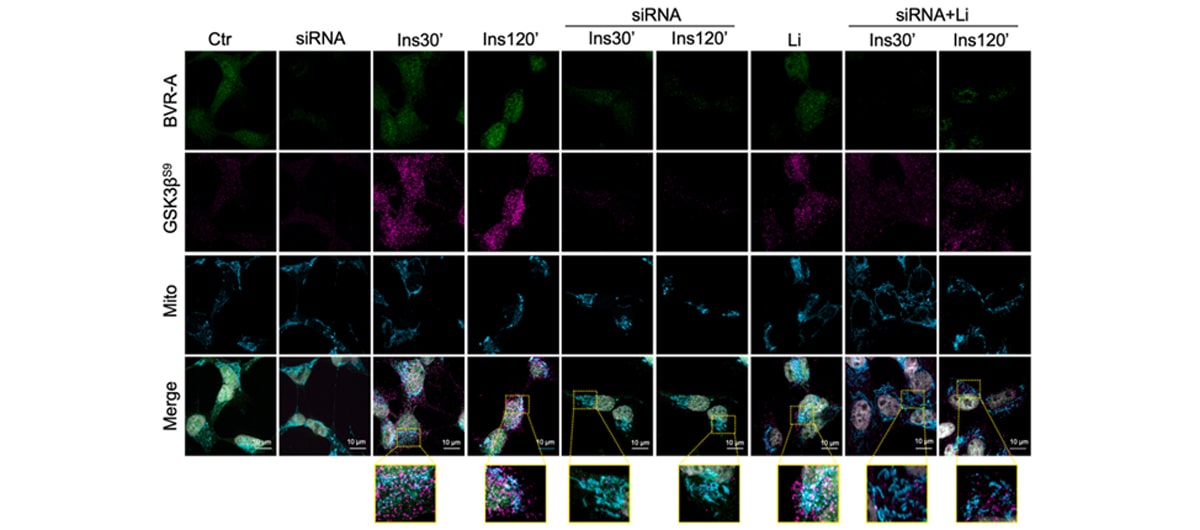
In multicellular organisms, the execution of developmental and homeostatic programs often relies on asymmetric cell divisions. These divisions require the alignment of the mitotic spindle axis to cortical polarity cues, and the unequal partitioning of cellular components between progeny cells. Asymmetric divisions are orchestrated by signals from the niche frequently presented in a directional manner, such as Wnt signals. Here we employ bioengineered Wnt-niches to demonstrate that in metaphase NuMA/dynein microtubule motors form a complex with activated LRP6 and β-catenin at the cortical sites of Wnt activation to orient cell division perpendicularly. We show that engagement of LRP6 co-receptors by Wnt ligands locally stabilizes actomyosin contractility through the accumulation of myosin1C. Additionally, we describe a proteomic-based approach to identify mitotic protein complexes enriched at the Wnt-contact site, revealing that mitochondria polarize toward localized Wnt3a sources and are asymmetrically apportioned to the Wnt-proximal daughter cell during Wnt-mediated asymmetric cell division of embryonic stem cells. Mechanistically, we show that CENP-F is required for mitochondria polarization towards localized sites of Wnt3a activation, and that deletion of the Wnt-co-receptor LRP6 impairs the asymmetric apportioning of mitochondria. Our findings enhance the understanding of mitotic Wnt-signaling and elucidate fundamental principles underlying Wnt-dependent mitochondrial polarization.
Warrick, JE;Attili, D;van Eeuwen, T;Pastore, B;Hoffmann-Weitsman, SE;Forsyth, NC;Tang, W;Barmada, SJ;Kearse, MG;
bioRxiv : the preprint server for biology,
53,
(20),
(2025)
The loss and mutation of Topoisomerase 3β (TOP3B), the only known eukaryotic topoisomerase with the ability to catalyze RNA strand passage reactions, is linked to schizophrenia, autism, and intellectual disability. Uniquely, TOP3B primarily localizes to the cytoplasm and has been shown to regulate translation and stability of a subset of mRNA transcripts. Three neurological disease-linked de novo TOP3B point mutations outside of the active site have been identified but their impact on TOP3B activity in cells remains poorly understood. Upon establishing a new Neuro2A cell-based TOP3B activity assay, we provide genetic and biochemical evidence that the autism-linked C666R mutation causes accumulation of unresolved TOP3B•mRNA covalent intermediates by directly disrupting metal coordination via an atypical D1C3-type metal binding motif within the zinc finger domain. Furthermore, we show that primary neurons are sensitive to TOP3B•mRNA covalent intermediates, including those formed by the C666R mutant TOP3B, and that such adducts are capable of causing ribosome collisions. Together, these data identify a previously underappreciated role of the zinc finger domain and how non-active site disease-linked mutations affect TOP3B activity and neuronal toxicity.
Dinoi, F;Marzano, S;Marino, MI;Vertecchi, E;D'Angelo, CM;Maresca, C;Petti, E;Dinami, R;Rizzo, A;Biroccio, A;Cacchione, S;Pagano, B;Salvati, E;Amato, J;
Nucleic acids research,
53,
(22),
(2025)
Telomeres are transcribed into the long non-coding RNA TERRA, which is essential for telomere protection and maintenance. In cancer cells, telomere lengthening occurs via telomerase reactivation or the alternative lengthening of telomeres (ALT). TERRA is highly overexpressed in ALT cells and directly influences this process. However, due to the lack of efficient tools to investigate TERRA biology, its role in cancer progression and its potential as a therapeutic target remains unclear. Both telomeric DNA and TERRA form noncanonical structures called G-quadruplexes (GQs) on their G-rich strands, which can be the targets of GQ ligands. Using a ligand-based virtual screening of FDA-approved drugs, we identified novel TERRA GQ ligands capable of stabilizing TERRA binding to chromatin. This interaction increased telomeric DNA:RNA hybrids, induced telomeric defects, and elevated ALT-associated PML bodies formation in both telomerase- and ALT-positive cancer cells in an RNAseH1 dependent manner. These ligands also partly increased C-circle levels. In vitro, these ligands recognized and stabilized DNA:RNA GQ hybrids, revealing a novel mechanism of TERRA binding to telomeric DNA, which may contribute to replication stress, sister-telomere disjunction impairment, and enhanced ALT activity, offering new insights into TERRA’s multifaceted role in telomere dynamics and its implications for cancer biology.
Oh, JJ;van der Linden, FH;Malcı, K;van der Valk, RA;Ellis, T;Aubin-Tam, ME;
Science advances,
11,
(41),
eadw8278,
(2025)
Inspired by naturally occurring biomaterials, autonomously grown engineered living materials (ELMs) feature cell-driven growth and programmable biological functions. However, the “livingness” of cells poses a short life span and low tolerance to harsh conditions, limiting the practical use of such materials. Here, we developed materials with programmable and dormant functionalities, grown from a mixture of Komagataeibacter rhaeticus and Bacillus endospores under engineered medium conditions. K. rhaeticus produces the bacterial cellulose (BC) matrix that integrates Bacillus spores within, whereas the confined spores keep dormant and are resistant to harsh conditions in the environment. Bacillus spores can germinate and confer desired functions to the materials. Modulating the binding affinity of spores to the BC matrix with genetic engineering can improve cell loading and therefore enhance the material functionality. These materials can serve as a versatile on-demand platform for applications as biosensors, biocatalytic materials, and in situ transformation of mechanically robust cellulose-based composites.
Svolacchia, N;Marconi, M;Politsch, JE;Vinciarelli, F;De Nittis, M;Salvi, E;Sotelo-Silveira, M;Terenzi, A;Bertolotti, G;Testi, C;Ruocco, G;Dello Ioio, R;Di Mambro, R;Costantino, P;Wabnik, K;Sabatini, S;
Science advances,
11,
(51),
eaea8647,
(2025)
Organogenesis emerges from the interplay between genetic and physical interactions within a growing cellular system. While numerous studies have explored how genetic and molecular networks regulate cell activity, the impact of physical interactions and the resulting mechanical constraints on organ development remains poorly understood. In this study, we combine extensive genetic analysis, live imaging, and mechanical measurements with spatiotemporal computational modeling to show that, in the Arabidopsis root, changes in the mechanical properties of elongating cell walls influence growth and division rate of neighboring meristematic cells, thereby shaping root development. We propose that the cell wall serves as a crucial source of both autonomous and nonautonomous mechanical signals, providing a compelling example of how mechanical forces contribute to organ growth and development.
Spencer, AP;Xavier, M;Guimarães, SC;Vilaça, A;Ionescu, A;Calmeiro, T;Santos, R;Salinas, D;Martins, R;Lázaro, M;Perlson, E;Leiro, V;Maoz, BM;Pêgo, AP;
Journal of controlled release : official journal of the Controlled Release Society,
389,
114422,
(2025)
Neurological disorders, a leading global cause of death and disabilities, encompass conditions affecting both the peripheral and central nervous systems (PNS and CNS, respectively). Limited axon regeneration is a significant challenge in these disorders, and it has been linked to proteins like PTEN. RNA-based therapeutics, particularly siRNAs, hold the potential for silencing these inhibitory pathways, but their clinical application is hindered by poor stability and cellular uptake. Our study addressed this challenge with the development of novel, fully biodegradable dendritic nanoparticles designed specifically for neuron targeting. These nanoparticles were functionalized with the neurotropic binding domain of tetanus toxin, enhancing selective neuronal targeting and cellular internalization. We demonstrated that these targeted dendriplexes not only maintain biocompatibility and efficient siRNA delivery in neuronal cultures but also significantly enhance axonal growth, as shown in microfluidic models. In a groundbreaking PNS-CNS-on-Chip, dendriplexes exhibited effective migration from PNS to CNS neurons, highlighting their potential for targeted therapeutic delivery via a minimally invasive administration. This study pioneers the application of microfluidics to demonstrate the CNS targeting of dendriplexes, paving the way for innovative treatments in the field of nanomedicine.
Cordella, F;Mautone, L;Salerno, D;Tondo, L;Ghirga, S;D'Antoni, C;Parente, E;Romeo, MA;Cirone, M;Bezzi, P;Di Angelantonio, S;
Alzheimer's & dementia : the journal of the Alzheimer's Association,
21,
(8),
e70419,
(2025)
The intronic MAPT mutation IVS10+16 is linked to familial frontotemporal dementia, causing hyperphosphorylation and accumulation of tau protein, resulting in synaptic and neuronal loss and neuroinflammation in patients. This mutation disrupts MAPT gene splicing, increasing exon 10 inclusion and leading to an imbalance of 3R and 4R Tau isoforms.We generated patterned cortical organoids from isogenic control and mutant human induced pluripotent stem cell (iPSC) lines. Nanostring gene expression analysis, immunofluorescence, and calcium imaging recordings were used to study the impact of the MAPT IVS10+16 mutation on neuronal development and function.Tau mutant cortical organoids showed altered mitochondrial function and gene expression related to neuronal development, with synaptic markers and neuronal activity reduction. Bezafibrate treatment restored mitochondrial content and rescued synaptic functionality and tau physiology.These findings suggest that targeting mitochondrial function with bezafibrate could potentially reverse tau-induced neurodevelopmental deficits, highlighting its therapeutic potential for tauopathies like frontotemporal dementia.The IVS 10+16 MAPT mutation significantly disrupts cortical differentiation and synaptic maturation, evidenced by downregulated genes associated with synapses and neuronal development. Tau-mutant cortical organoids exhibit mitochondrial dysfunction, with fewer and smaller mitochondria alongside tau hyperphosphorylation and aggregation, which further contribute to neuronal damage and disease progression. Treatment with bezafibrate effectively normalizes mitochondrial parameters, enhances neuronal integrity and synaptic maturation, and restores network functionality, showcasing its promise as a therapeutic strategy for tauopathies. The 3D in vitro disease model used in this study proves valuable for studying tauopathies and testing new drugs, effectively mimicking key aspects of tau-related neurodegeneration.
Saorin, G;Mauceri, M;Caligiuri, I;Kamensek, U;Kranjc Brezar, S;Corona, G;Repetto, O;Perin, T;Grassi, G;Granchi, C;Tuccinardi, T;Cemazar, M;Canzonieri, V;Adeel, M;Rizzolio, F;
Cancer letters,
637,
218128,
(2025)
The second-line therapy for high-grade serous ovarian cancer (HGSOC) patients is generally ineffective. Drug selection is not aimed at improving overall survival, but rather based on residual toxicities, clinical judgment, and patient adherence. Therefore, the identification of more effective and targeted therapeutic strategies is critically needed. The Peptidyl-prolyl cis-trans isomerase NIMA-interacting 1 (PIN1) has emerged as a key hallmark of cancer progression and represents a promising therapeutic target in ovarian cancer (OC). VS10, a novel PIN1 inhibitor developed by our group, has shown potent activity against ovarian cancer cell lines. In this study, a drug delivery system for VS10 was developed by formulating the inhibitor into nanocrystals stabilized with human serum albumin. Comprehensive physicochemical characterization of the formulation was performed using spectrophotometric quantification, dynamic light scattering (DLS) with zeta potential analysis, transmission electron microscopy (TEM), X-ray diffraction (XRD), fourier-transform infrared spectroscopy (FT-IR), and nuclear magnetic resonance (NMR). The nanocrystals exhibited favorable sustained release kinetics, as confirmed by in vitro release tests. The anticancer activity was further validated through IC50 determinations on OC cell lines, and the therapeutic potential was assessed in vivo using an OC xenograft model. The VS10-loaded nanocrystals significantly inhibited tumor growth, and histopathological analysis confirmed the absence of systemic toxicity. Notably, co-administration with pegylated liposomal doxorubicin, a clinically approved chemotherapeutic agent, produced a synergistic effect, further enhancing tumor suppression. These findings support the potential of VS10, delivered via albumin-stabilized nanocrystals, as a promising second line therapy for OC.
Lohasz, C;Häfeli, T;Hasanova, D;Hölting, L;Rudnik, M;Ligeon, LA;Lützow, S;Mehta, A;Kritzer, B;Laternser, S;Nazarian, J;Hierlemann, A;Frey, O;Modena, MM;
Microsystems & nanoengineering,
11,
(1),
184,
(2025)
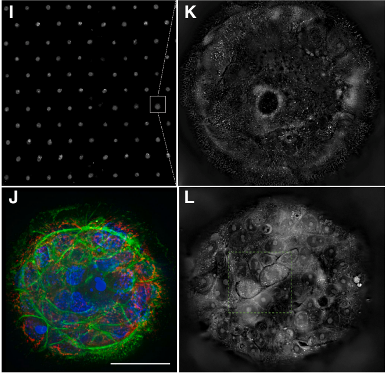
In vitro evaluation of novel therapeutic approaches often fails to reliably predict efficacy and toxicity, especially when recapitulating conditions involving recirculating cells. Current testing strategies are often based on static co-culturing of cells in suspension and 3D tissue models, where cell sedimentation on the target tissue can occur. The observed effects may then mostly be a consequence of sedimentation and of the corresponding forced cell-tissue interactions. The realization of continuous medium flow helps to better recapitulate physiological conditions and cell-tissue interactions. To tackle current limitations of perfused organ-on-chip approaches, we developed a microfluidic chip and operation concept, which prevents undesired sedimentation and accumulation of suspended cells during multiple days by relying on gravity-driven perfusion. Our platform, which we termed “human immune flow (hiFlow) chip”, enables to co-culture cells in suspension with up to 7 preformed microtissue models. Here, we present the design principle and operation of the platform, and we validate its performance by culturing cells and microtissues of a variety of different origins. Cells and tissues could be monitored on chip via high-resolution microscopy, while cell suspensions and microtissues could be easily retrieved for off-chip analysis. Our results demonstrate that primary immune cells and a range of different spheroid models of healthy and diseased tissues can be maintained for over 6 days on chip. As proof-of-concept cell-tissue interaction assay, we used an antibody treatment against diffuse midline glioma, a highly aggressive pediatric tumor. We are confident that our platform will help to increase the prediction power of in vitro preclinical testing of novel therapeutics that rely on the interaction of circulating cells with organ tissues.
Barolo, L;Mautone, L;Gigante, Y;Ghirga, S;Mura, F;Farina, MV;Tacconi, S;Dini, L;Ruocco, G;Boffi, A;Milanetti, E;Di Angelantonio, S;Baiocco, P;
Cell death & disease,
16,
(1),
369,
(2025)
The onset of Alzheimer’s Disease and Frontotemporal Dementia is closely associated with the aggregation of tau, a multifunctional protein essential for neuronal stability and function. Given the role of tau aggregation in neurodegeneration, understanding the mechanisms behind its fibril formation is crucial for developing therapeutic interventions to halt or reverse disease progression. However, the structural complexity and diverse aggregation pathways of tau present significant challenges, requiring comprehensive experimental studies. In this research, we demonstrate that short-chain polyphosphates, specifically sodium tripolyphosphate (NaTPP), effectively induce tau fibril formation in vitro using the microtubule-binding domain fragment (K18). NaTPP-induced fibrils display unique structural characteristics and aggregation kinetics compared to those induced by heparin, indicating distinct pathogenic pathways. Through molecular dynamics simulations, we show that NaTPP promotes aggregation by exposing key residues necessary for fibril formation, which remain concealed under non-aggregating conditions. This interaction drives tau into an aggregation-prone state, revealing a novel mechanism. Furthermore, our study indicates that human pluripotent stem cell-derived retinal neurons internalize NaTPP-induced fibrils within 24 h, pointing to a potential pathway for tau spread in neurodegeneration. To explore the translational implications of NaTPP-induced fibrils, we assessed their long-term effects on cellular viability, tubulin integrity, and stress responses in retinal neuron cultures. Compared to heparin, NaTPP promoted fewer but longer fibrils with initially low cytotoxicity but induced a stress response marked by increased endogenous tau and p62/SQSTM1 expression. Prolonged exposure to NaTPP-induced oligomers significantly increased cytotoxicity, leading to tubulin fragmentation, altered caspase activity, and elevated levels of phosphorylated pathological tau. These findings align with a neurodegenerative phenotype, highlighting the relevance of polyphosphates in tau pathology. Overall, this research enhances our understanding of the role of polyphosphate in tau aggregation, linking it to key cellular pathways in neurodegeneration.
Dell'Amico, C;Chiesa, I;Toffano, A;Esposito, A;Mancini, P;Magliaro, C;Louvi, A;De Maria, C;Onorati, M;
Advanced healthcare materials,
e01405,
(2025)
The human brain originates from the neural tube that detaches from the ectodermal layer and gradually develops into a mature structure through highly regulated molecular and cellular processes. Here, stem cell technology is combined with 4D bioprinting, a fabrication process that utilizes additive manufacturing, to generate a 4D-neural tube (4D-NT). This consists of a scaffold that can self-fold over time, which is then populated with iPSC-derived neuroprogenitors, mimicking neural tube cellular architecture. The scaffold’s “smart” self-folding behavior is driven by the differential swelling properties of bilayer films, which create a deformation gradient upon hydration. Cellular analyses reveal a highly efficient induction of neuroprogenitors on 4D-NTs, demonstrating the ability of this model to mimic the spatial and structural complexity of the developing human neural tube. Furthermore, 4D-NTs seeded with iPSCs with a mutation in WDR62, associated with autosomal recessive primary microcephaly (MCPH), recapitulate the earlier observations obtained in 2D/3D neural cultures, thereby validating the newly developed 4D-NT platform and suggesting it represents a tool that can facilitate understanding of human neural development and disease.
Losi, G;Vignoli, B;Granata, R;Lia, A;Zonta, M;Sansevero, G;Pischedda, F;Chiavegato, A;Santi, S;Zentilin, L;Berardi, N;Ratto, GM;Carmignoto, G;Canossa, M;
Proceedings of the National Academy of Sciences of the United States of America,
122,
(42),
e2500511122,
(2025)
In the absence of explicit neuronal inputs, the glial cell astrocytes exhibit recurring intracellular Ca2+ fluctuations, primarily localized at thin processes, known as Ca2+ microdomains (MDs). Although spontaneous Ca2+ MDs are present throughout the brain, their putative role is unknown. Here, we question whether, owing to their recurring signaling mode, spontaneous Ca2+ MDs contribute to slowly evolving phenomena in the brain, such as memory consolidation. We demonstrate that, in the perirhinal cortex, a central region in recognition memory, these events promote Ca2+-dependent gliotransmission and modulate synaptic strengthening. Their recurring activity extends the release of the gliotransmitter brain-derived neurotrophic factor (BDNF) over time, ensuring the sustained Tropomyosin Receptor Kinase B (TrkB)-signaling required for the consolidation of long-term synaptic potentiation and lasting memories. We also show that Ca2+ MDs, which are stochastic events, preserve their random behavior during gliotransmission, introducing an element of unpredictability into the process of memory retention. Our study assigns to spontaneous, stochastic activity in astrocytes a unique functional role in shaping and stabilizing memory circuits.
Kudryashova, E;Kreutzberger, MAB;Niedzialkowska, E;Dong, S;Kudryashov, DS;Egelman, EH;
Proceedings of the National Academy of Sciences of the United States of America,
122,
(48),
e2523856122,
(2025)
Despite an evolutionary separation of over 300 Mya, there are no amino acid substitutions in certain actin isoforms from reptiles to mammals. What divergence that does exist between different actin isoforms is primarily tissue-specific, rather than species-specific. Sorting of actin isoforms into distinct cellular compartments is believed to be controlled by actin-binding proteins (ABPs), but little is known about how ABPs can differentiate between actin isoforms. We show that the actin-binding repeat (ABR) of the Vibrio parahaemolyticus effector VopV binds to cytoplasmic actin in a unique mode with a low nanomolar affinity, over a thousand times stronger than to muscle actin. Actin mutagenesis and cryo-EM reconstructions reveal that isoform-specific residues of previously unassigned function deep in the cleft between the two actin protofilament strands determine this selectivity. These results suggest a mechanism of highly selective, isoform-specific interactions between actin and its partners, and have broad implications for understanding the evolution of actin. Furthermore, our findings have implications in the pathogenesis of V.parahaemolyticus, whose invasion of intestinal epithelial cells relies on the interaction of VopV with cytoplasmic F-actin.
Kozawa, F;Tamura, T;Takahashi, N;Kakizuka, T;Ichimura, T;Shimada, R;Hashimoto, Y;Onizuska, H;Kashiwagi, S;Kamasaki, T;Amano, M;Nagai, T;Fukuhara, T;Fujioka, Y;Ohba, Y;
Cell communication and signaling : CCS,
23,
(1),
361,
(2025)
Influenza A viruses (IAVs) initially infect a few host cells before spreading to neighboring cells. However, the molecular mechanisms underlying this dissemination remain unclear. We have previously demonstrated that intracellular Ca2+ plays a crucial role in facilitating IAV infection. This study aims to clarify the connections between intracellular Ca2+ dynamics and spread of IAV infection.Madin-Darby canine kidney (MDCK) cells stably expressing a Ca2+ indicator for optical imaging were established. Cells were cultured in Matrigel to form monolayers, and cell-to-cell Ca2+ dynamics within IAV-infected cells were analyzed using fluorescence microscopy.IAV infection upregulated the frequency of intercellular calcium wave propagations (iCWPs), facilitating viral spread. ADP released from initially infected cells mediated iCWPs via the P2Y1 receptor. P2Y1 antagonist suppressed both the generation of iCWPs and spread of viral infection. Enhanced endocytosis by the surrounding cells that received ADP signaling upregulated viral entry. Expression of IAV matrix protein 2 (M2) in initially infected cells triggered iCWPs through ADP diffusion, thereby increasing infection. Conversely, an ion permeability-deficient mutation of M2 or inhibition of its ion channel activity suppressed iCWPs.Intercellular calcium signaling plays a crucial role in the early expansion and establishment of IAV infection, presenting a potential target for IAV prophylaxis.
Fan, M;Moss, KA;Jindal, P;Kasznicki, P;Davey, P;Laissue, PP;Lawson, T;
The New phytologist,
248,
(4),
1769-1783,
(2025)
Stomatal density varies spatially over the leaf surface and between abaxial and adaxial leaf surfaces, with distribution greatly influencing plant photosynthesis and water use. However, methodological limitations have prevented quantification of spatial heterogeneity and its consequences for gaseous exchange in monocot crops. Here we introduce a simple and rapid method to image and quantify stomatal patterning over large (18 cm2) leaf areas in situ. We used this approach to assess spatial variation across the adaxial and abaxial surfaces in barley (Hordeum vulgare L.) wild-type (WT) plants and mutants overexpressing the epidermal patterning factor 1 (EPF1). Analysing over a million stomata revealed significantly greater stomatal densities on the adaxial surface and towards the leaf tip in both genotypes. Overexpression of EPF1, however, differentially reduced stomatal densities on the two surfaces, while also increasing spatial variability, particularly on the abaxial surface, compared to WT. The uneven stomatal distribution proved crucial to separate simultaneous gas exchange measurements on the two surfaces, with impacts on both photosynthetic carbon gain and water use efficiency. Knowledge of the relationship between stomatal patterning and gaseous function is critical for the development of future crops with improved performance.
Caetano-Silva, ME;Hilt, ME;Valishev, I;Lim, C;Kasperek, M;Shrestha, A;Fu, H;Eck, E;McCusker, R;Armstrong, H;Loman, B;Bailey, MT;Allen, JM;
Brain, behavior, and immunity,
132,
106222,
(2025)
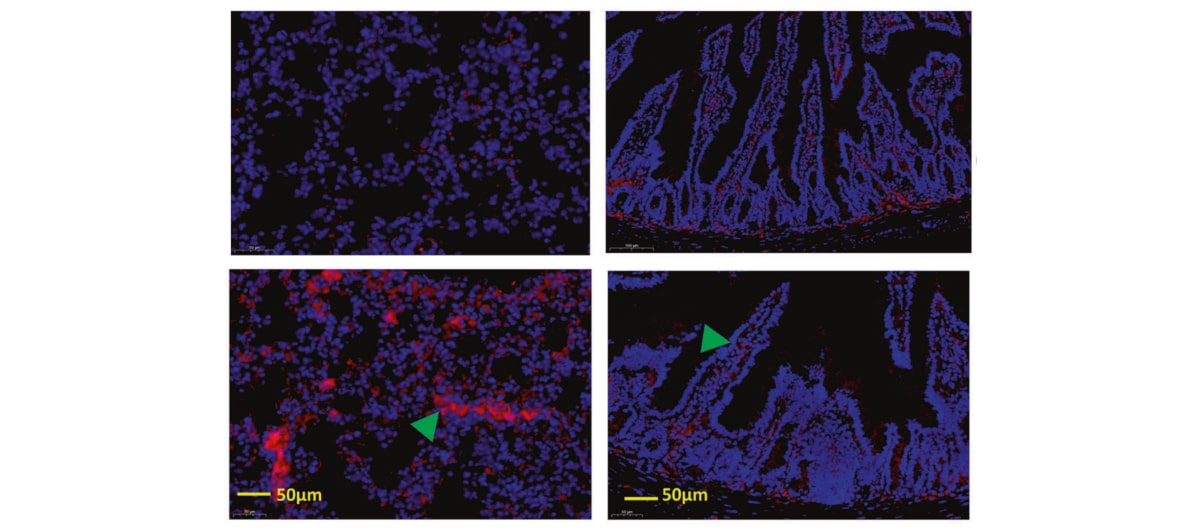
Psychological stress is a known risk factor for inflammatory bowel disease (IBD), but the mechanisms linking stress to worsened disease remain unclear. Because distinct stress paradigms activate different neuroimmune circuits, it is critical to investigate model-specific effects. We examined how social stress primes the gut for heightened inflammation and whether this is mediated by specific neuroendocrine pathways, including α2-/β-adrenergic (sympathetic) or glucocorticoid/ corticotropin-releasing hormone receptor (CRHR1) (HPA axis) signaling. Mice were exposed to social disruption (SDR) stress and pre-treated with pharmacological antagonists targeting α2-adrenergic receptors (idazoxan), β-adrenergic receptor (β-AR) (propranolol), glucocorticoid receptor (mifepristone), or CRHR1 (antalarmin). Intestinal epithelial cell (IEC) gene expression and microbiota composition were assessed following SDR. To determine disease impact, SDR was combined with either Citrobacter rodentium infection or dextran sulfate sodium (DSS)-induced colitis, with interventions including the β-AR inhibitors and the NADPH oxidase inhibitor apocynin. SDR significantly upregulated expression of Dual oxidase 2 (Duox2), Dual oxidase maturation factor 2 (Duoxa2), and inducible nitric oxide synthase 2 (Nos2) in IECs (2- to 8-fold, p

Explore our product page and uncover our cutting-edge microscopy instruments that facilitate revolutionary breakthroughs across various research fields

Fill the form and download the Application Note

Fill the form and download the Application Note

Fill the form and download the Application Note

Fill the form and download the Application Note

Fill the form and download the Application Note

Fill the form and download the Application Note

Fill the form and download the Application Note

Fill the form and download the Application Note

Fill the form and download the Technical Note

Fill the form and download the Application Note

Fill the form and download the Application Note

Fill the form and download the Application Note

Fill the form and download the Application Note

Fill the form and download the Application Note

Fill the form and download the Application Note

Fill the form and download the Application Note

Fill the form and download the Application Note

Fill the form and download the Interview

Fill the form and download the Interview

Fill the form and download the Application Note